Between Two Skies
A civil war with my conscience
My mother called on a Tuesday evening. Nothing urgent, just a regular video call, the kind we have every few weeks. We talked about ordinary things. But about ten minutes in, something in her face made me pause. A particular kind of tired that was not there a month ago. The kind that accumulates slowly, the kind you only notice if you are paying close attention.
She did not mention it. I did not ask. The call ended the way it always does, warmly, with promises to speak again soon.
But I sat with my phone in my hand for a while after she hung up, in a flat in the United Kingdom, feeling two things that I have come to recognise as permanent companions since I moved here.
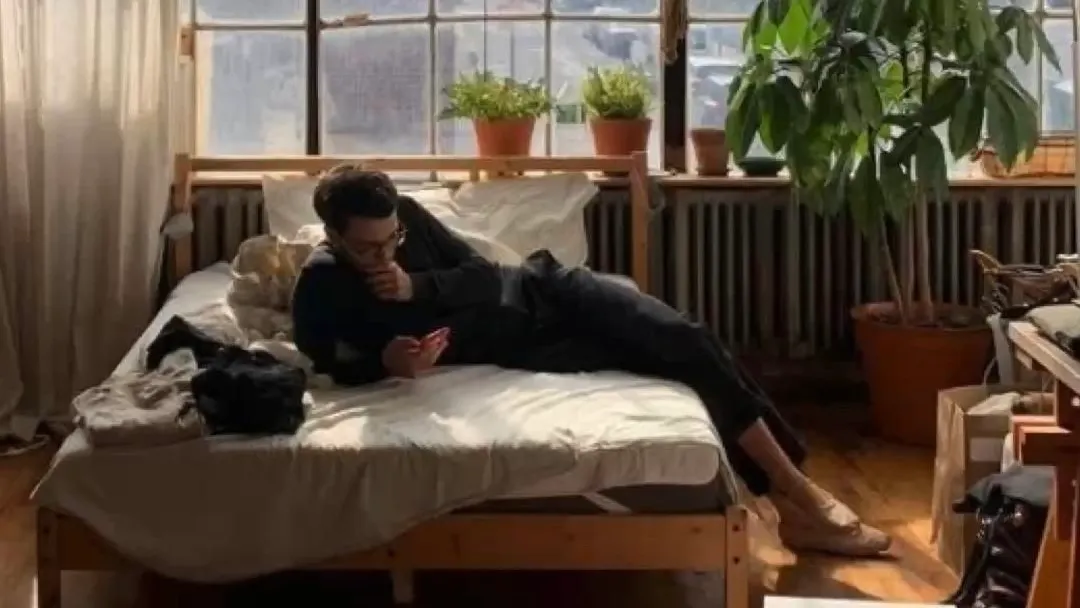
The first is about the people I left. Not just my mother, not just that call, but the whole accumulation of a life I am no longer physically part of. People growing older. Friends making core memories I am not part of, living through their peak twenties in ways I can only watch from the outside. I am no longer part of their plans, and they have learned, gently, not to expect me in them. A family carrying things I am not there to help carry. Moments I am missing not because I had no choice, but because I chose to be somewhere else.
The second is about the country I left. A country I grew up loving in a very specific way, not as an abstraction, not as a flag, but as something my family had given their working lives to. And the quiet, persistent question that life left inside me: what exactly am I giving back?
The People I Left
The family guilt did not begin as guilt. It began as fear, on one particular afternoon before my flight.
My father, an Indian Air Force officer who has served for decades, came home from work and said something felt off. Not dramatic. Not cinematic. Just… off. We drove to the hospital. The doctor ran checks. Then they said the word angioplasty, a procedure to look for blockages in the heart, and suddenly my father, the man who had spent his life defending the skies of a nation, was lying in a hospital bed looking human in a way I had never been ready to see.
There were two small blockages. The doctors prescribed medication. He came home. Over time, the medicines became unnecessary. His health improved. By most measures, the story ended well.
The fear did not get that memo. It stayed.
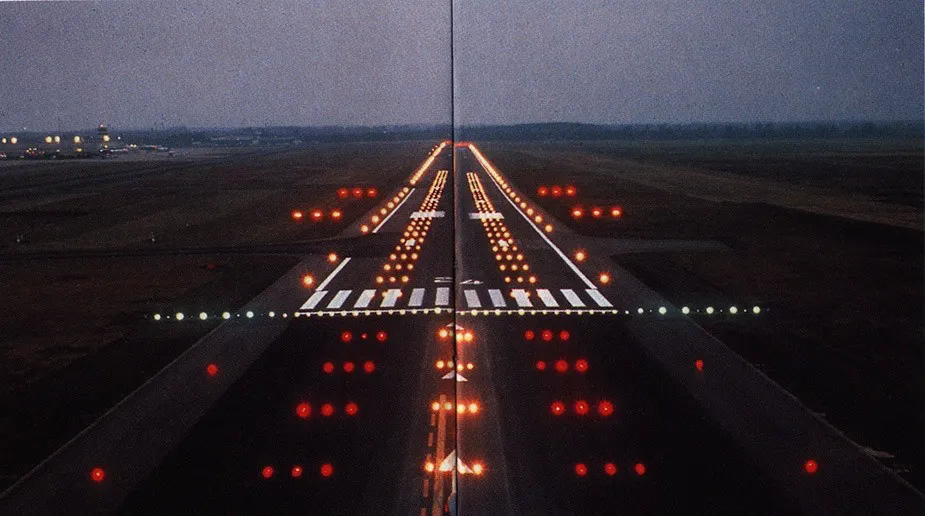
Something cracked open inside me that afternoon, and it has never fully closed. Because at the time, I was already making plans to leave India. To quit my job, fly to the United Kingdom, pursue a master’s degree, and build a life on the other side of the world.
And the question arrived, not dramatically, not with any announcement, just quietly and with full weight: What if I am not here the next time something goes wrong?
I have been carrying it since. Some days it is loud. Most days it simply sits there, waiting.
Where I Come From
To understand the weight of that question, you need to know the world I was leaving.
In many Indian families, life is built on a foundation the rest of the world does not always have words for. Family is not just the people you are related to; it is the gravity that holds your decisions in place. In India, children grow up alongside their parents, and sometimes their grandparents too, carrying the expectation of closeness well into adulthood. You do not simply leave and build a separate life the way it is normalised in the West. Proximity is how love is expressed. Presence is how duty is fulfilled.
In a defence family, that gravity is heavier, and it carries a particular texture.
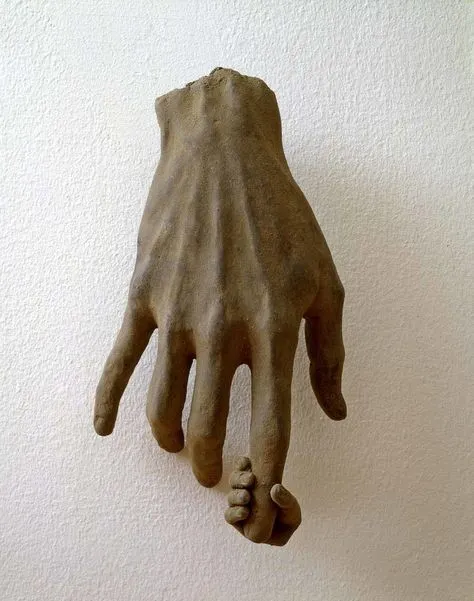
My grandfather served in the Indian Air Force. My father followed. I grew up on air force stations, those little worlds marked by iconic blue gates, disciplined and oddly beautiful, where your neighbours become your family, where you learn to polish shoes before you learn to ride a bicycle. The stations had their own rhythm, their own rules, their own way of measuring a person. You understood early that the adults around you were not simply doing jobs. They were doing something that cost them something, willingly, repeatedly, without complaint.
My father left for work every morning carrying that weight. I grew up watching it. I did not yet have words for what I was absorbing.
My mother is a homemaker, but that word does not begin to capture what she has done. She learned to keep the house running on a hundred rupees for more than half a month. She learned to live away from family, away from everything she had ever known. Family lore includes her quiet promotion to in-house reptile killer. She does not laugh about it. We do. She figured it out quietly, with a competence the rest of us only notice in hindsight.
She always hoped that one of her sons would walk the अंतिम पग (Antim Pag). At the Indian Air Force Academy, it is a path etched into stone, the final steps a cadet takes at the end of their training, the threshold between becoming and being, the moment the uniform is no longer a costume but a commission. Every officer who has ever served has walked it. My grandfather walked it. My father walked it. My mother wanted to stand in those stands one day and watch a third-generation Abhyankar cross that same line.
Neither my brother nor I chose that path. She never said it with bitterness; she accepted it with a grace I am still learning from. But I know the dream is still there, sitting quietly in a corner of her heart. It will not be completed now. Not in this life. And if I am being honest with myself, that is a weight I carry too, not because anyone placed it on me, but because I understand, more than most, what that walk means. And I never even tried.
The Shock Absorbers
My parents never flinched. Not once. When I told my father I wanted to quit my job and leave the country, his response was immediate: “Sure. Go ahead. Do it.” My mother said the same. They never said no, not to my career switch, not to my move abroad, not to any of the unconventional choices I have made.
And that generosity, that bottomless, unconditional support, is precisely what makes the guilt so heavy.
Because how do you walk away from people who never once asked you to stay?
The Part They Do Not Warn You About
What no one tells you when you move abroad is that life back home does not pause. It accelerates.
My maternal grandmother has cancer. She is not in active treatment, but her care takes a toll nonetheless, the weight of watching over someone you love and cannot cure, accumulating quietly in the background of every day for my parents and my brother.
My maternal grandfather is in his nineties and his memory is fading, the way a photograph left in sunlight slowly loses its clarity.
My paternal grandmother expects my calls. I want to be precise about that: I haven’t called in months. Years. She is angry about it, and she has every right to be. She waited through seasons I did not mark, through festivals I did not call for, through the slow accumulation of silences that a grandson is not supposed to leave. And yet whenever I do call, she still asks if I have eaten properly. She still sets aside money for sweets to give me whenever I come home. She has not withheld a single thing. She knows what it means to be away from everything familiar; she lived it herself for decades as the wife of an Air Force officer, in a different kind of absence but an absence all the same. She gives more than I deserve and asks for less than she has earned. I do not know how to close that gap.
My parents are there. My brother is there. They sit in the waiting rooms. They manage the medications. They show up in the thousand small, unglamorous ways that love demands when someone you cherish is unwell.
They are doing my part too. The part I would have done had I been home.
FaceTime collapses the distance but also amplifies the absence. You see the faces of your loved ones and try to be part of some of their stories. Previous generations had the mercy of letters and infrequent phone calls, a buffer of distance that softened the edges of being away. We do not have that buffer. We see everything. We can do nothing.
There is a name for this kind of grief, and I was relieved when I found it: ambiguous loss. A loss without resolution. No funeral, no clean ending, no closure. Just the continuous, unresolvable presence of something that has not died but is not here. The psychologist who named it, Pauline Boss, says the goal is not closure. She calls that a myth. The goal is learning to hold two true things at once: I can love my homeland and build a life elsewhere. I can miss my family and not choose regret. Both things, simultaneously, without one cancelling the other out. I have not mastered the art yet.
The last time I went home, I discovered something I was not prepared for. I had nothing to say. Not because I did not love them, but because I had missed the chapters. The small, daily things that accumulate into a shared life had been happening without me, and I did not know the stories anymore. I sat in the same room as the people I love most, and I felt the absence anyway. It did not lift when I landed. It did not lift when I hugged them. It simply changed shape.
That feeling has not gone away. It is still here as I write this.
The Anomaly
I believe I have always been a little different from the people around me, and from the people in my family. Not better, not worse, just wired differently. There is a restlessness inside me that the familiar has never been able to quiet. Understanding that restlessness is the only way to understand why someone raised the way I was raised still ended up leaving.
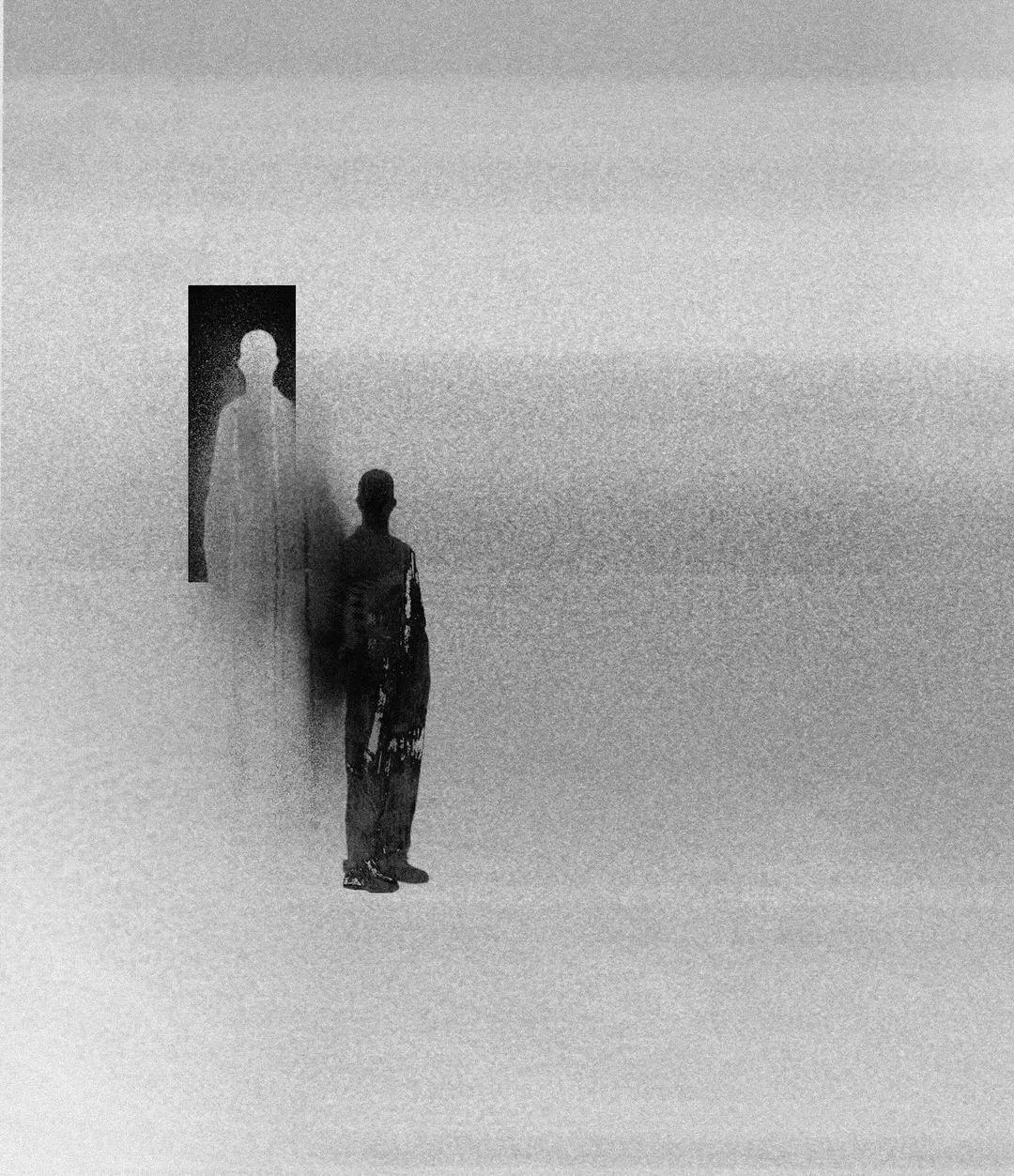
My younger brother, a year behind me, an engineer who went on to do his MBA and now works as a business analyst, stayed in India. He always said it was where he wanted to be. But I have wondered, more than once, whether that was entirely true, or whether he stayed because someone had to, and I had already made clear that person was not going to be me. He covered my part. He carried what I left behind. No existential crisis visible to the world, no tug-of-war anyone could see. He has always understood family and the responsibilities that come with it in a way I have admired and never quite managed to replicate. But maybe one of us sacrificed, and it was not me. Our relationship could have been the closest it has ever been by now. I am not sure it is. That is mine to carry.
He stayed. He is doing something I recognise, from here, as real contribution. I see that more clearly because of the distance, which is its own kind of irony.
I think about a small thing that happened years ago. My brother and I both had brutal math board exams in school. I came home and lied that mine had gone fine. He came home, cried, and told my parents exactly how badly his had gone. Looking back, I see something in that moment that quietly explains both of us. He met the difficult thing head-on. I stepped softly around it. He embraced reality even when it hurt. I had this habit of running from it, gently, almost without noticing. Two brothers. One house. Two completely different relationships with discomfort.
He chose to stay. I did not. I could have. I probably should have. But I did not.
The pattern was there from the very beginning. At eighteen, having barely scraped through my math board exam, I made an impromptu day-trip to Pune, sat for a couple of entrance examinations, passed them all, and chose a college for my Bachelor’s. No grand plan. Just a quiet refusal to take the road everyone else was taking.
College opened something. I found music there, really found it, the way you find something you had been looking for without knowing you were looking. I played every sport I could. I won competitions I had not expected to win. What I was learning, slowly, was that the restlessness that made me difficult to categorise was the same energy that made me good at the things I genuinely loved. I simply had not loved the right things yet. After some years of working with software, I finally admitted something to myself: I did not want to write code for a living. My heart had always been pulled toward art. The hint had been there since school. I had simply taken too long to listen to it.
In my mid-twenties, a decade I think of as the decade of experimenting, I made a switch: from software development to design. It is a move many people make, but it requires leaving behind a stable, familiar path for an uncertain one. It paid off. Three years ago, I did it again, quitting my job, leaving the country, starting a second master’s degree. While many of my peers were settling into careers, getting married, buying homes, building the kind of stability that society rewards and recognises, I was once again dismantling everything and starting over in a country where I knew no one. I was escaping comfort.
I call myself the anomaly of the lineage. The one who could not sit still. The one who absorbed every lesson his upbringing had to offer, and then went and did something his upbringing never quite prepared for.
The Country I Left
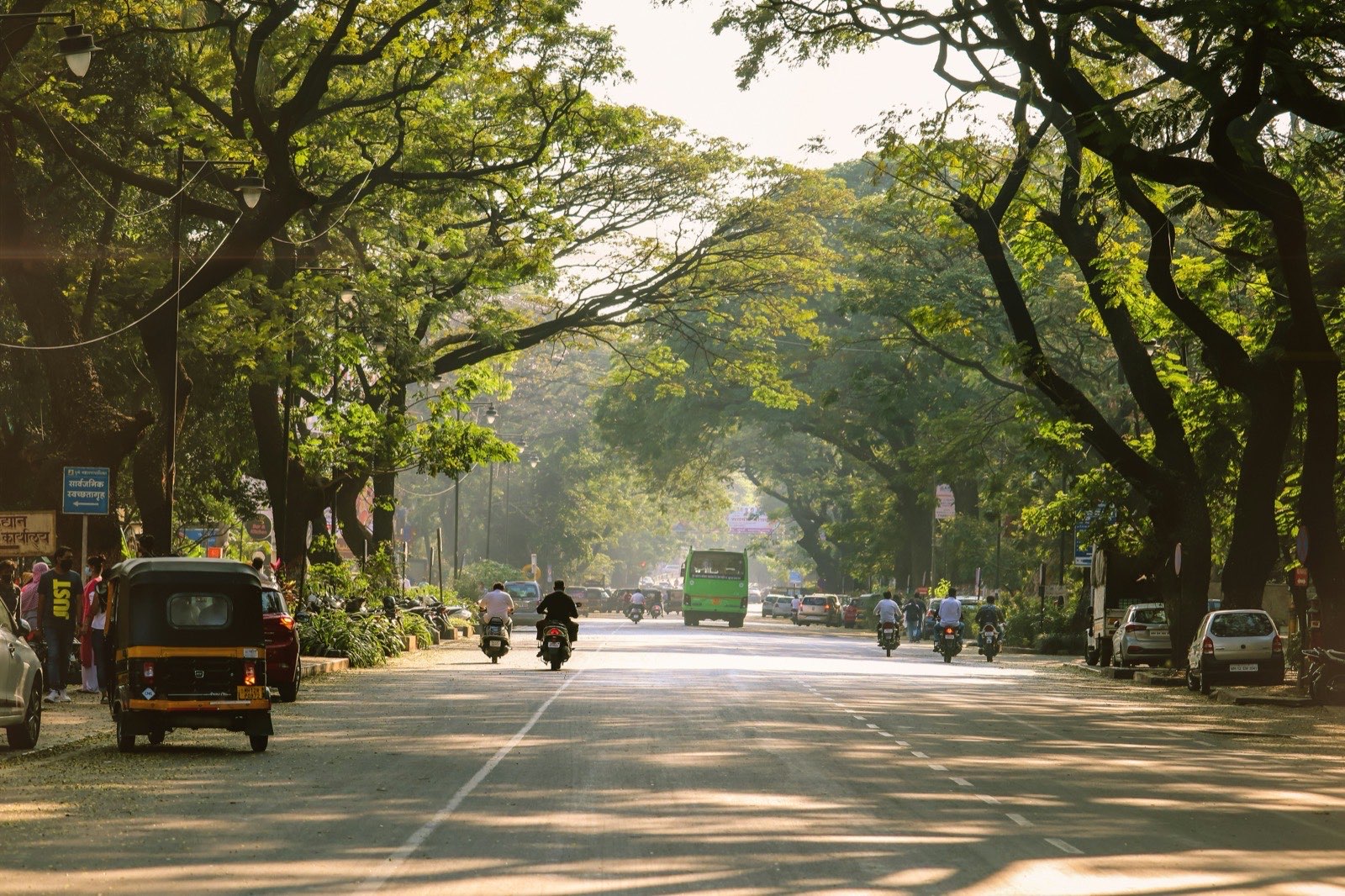
I remember a particular kind of afternoon from the stations.
Republic Day. My father used to make my brother and me watch the parade. The parade ground was immaculate, the air carrying something formal and serious that I could feel in my chest even before I understood it. It was a different kind of stillness from the ordinary kind. Whatever was happening mattered. I knew that much, even as a child.
What I did not know then was what it cost. The years of postings, in temperatures ranging from fifty degrees to minus fifty, across deserts and mountains and cities that dragged the family from one edge of the country to the other. The willingness to place your body and your time and your family’s comfort in service of something that would never fully reciprocate. I did not have a word for that when I was small. I have one now. It is called commitment. And I grew up watching it performed, without ceremony, without complaint, every single day.
And then I left.
Not to serve something larger. Not to build something that would outlast me. I left to study what I wanted to study, to live in a city I had never seen, to explore and experience and become, on my own terms, at my own pace. All of which are legitimate reasons. None of which sound, in my own ears, quite as solid as what my father did for thirty years.
This is where the second guilt lives. Not in a single afternoon, not in one sharp moment, but in the slow accumulation of understanding what I was raised inside and then choosing, with full awareness, to step outside it. The Air Force life gave me a very specific idea of what contribution looks like. And from four thousand miles away, I look at my own life and ask the question I cannot fully answer: what exactly are you adding to the country that shaped you?
This is not a general immigrant’s guilt. This is the guilt of someone who grew up watching service modelled every single day, who understood from childhood what it means to give something back, and who is now living a life that is, at least for now, mostly pointed inward.
As Zakir Khan once said:
जब आप घर छोड़ते हो न, तो कभी टूट के अलग नहीं होते।
चीर के अलग होते हो आप और उसके धागे कभी बंधते नहीं हैं।
उसके ज़ख़्म ता-उम्र तुम्हारी पीठ पे रहेंगे।
जैसे उखड़ के आए हैं।
विस्थापित हैं कहीं से।
When you leave home, you are never separated with a clean break. You are torn apart, and the threads never mend. The wounds will stay on your back for a lifetime. As if you have been uprooted from somewhere.
I think about that more than I expected to.
The Conversation I Keep Having With Myself
There is a conversation I keep having with myself that I have not been able to fully resolve.
Sometimes I catch myself forming opinions about India, about things that could be better, systems that feel broken, problems that seem solvable. And then I pause. I left. I chose to leave. Is it fair to have opinions about a place I chose not to stay in and work within?
I have landed, after much internal argument, on something that is not quite an answer but is at least an honest position. Caring about India’s problems from a distance is not hypocrisy. It might be the only form of loyalty still available to me from here. The alternative, indifference, would be the real betrayal. So I hold my opinions and I hold them lightly, knowing I have not earned the full weight of them, knowing they are the opinions of someone watching from the outside. That is an uncomfortable place to stand. I stand there anyway.
India was not something I needed to escape. It was something I chose to leave. And those are very different things. India has real challenges, every country does, but it also has a warmth, a sense of community, a quality of connection that I have not found anywhere else. I miss it in ways I did not predict and cannot fully describe. I do not regret leaving. Both are true.
The Quiet Upgrade
Part of the reason I moved has nothing to do with ambition or career. It has to do with something simpler: everyday life.
I will not romanticise life in the UK and I will not diminish life in India. Both have things the other does not. But there is a truth about living in the West that rarely gets said out loud because it is not glamorous enough for Instagram: the basic systems work better. The air is cleaner. People follow traffic rules. There is less crime where I live. Public services function. You can see your tax money in action, in the roads, the parks, the quiet civic order of everyday life. The everyday effort required just to meet your basic needs feels lighter here. And when your daily life is not consumed by navigating broken systems, something opens up. You have space to think, to create, to breathe.
That space is real. It matters. And it is also, on my clearer days, part of what the guilt is about. I accessed that space by leaving a country that still needs people willing to stay and build it there instead.
I have not faced outright racism, though I have sensed it in small ways, those moments when you feel that certain people would rather you were not here. You develop a quiet resilience. It is a tax you pay for leaving your home to build a home elsewhere, and you learn to pay it.
The Reason It Might All Be Worth It
And then there is this. The thing that tips the scales on the days when both guilts arrive at once.
Had I not moved abroad, I would probably never have met the love of my life.

I want to be careful with how I say this, because I am aware of how it sounds: like a convenient answer, the kind people reach for when they cannot defend a decision any other way. But it is not convenient. It is simply true, and it sits in my heart differently from everything else I have written here.
There are people who exist in your life only on the other side of a decision you were terrified to make. She is one of them. I cannot account for her in any balance sheet of this choice. She brings calm to the chaos inside my mind. The guilt is real and it will remain. But she is here, and I am here, and some things in a life are so completely outside any plan you could have made that they render the plan beside the point.
I left everything familiar and found something I did not know I was looking for. I cannot tell you whether that justifies the leaving. I can tell you that it makes everything worth it.
The Spinning Top
You know the ending of Christopher Nolan’s Inception.
Cobb spins the top. The camera lingers. It wobbles, trembling at the edge of an answer, and then cuts to black.
Nolan never tells you whether it falls.
That is this story.
If you move abroad, you give up being close to your parents. You give up sitting with your friends and family. You give up contributing to your country with your daily presence. You give up familiar streets, childhood friends, the language your heart thinks in.
If you stay, you give up the dream. The dream of seeing the world, of meeting people whose lives look nothing like yours, of discovering who you become when everything familiar is stripped away. You might give up the person you were meant to find.
You give up on one dream to chase another, and it never ends. It all keeps spinning. Every path asks you to sacrifice something. That is not a flaw in the design. That is the design.
A Letter to Anyone Standing at the Gate
Somewhere along the way, I realised something about myself that I had not expected to find.
I never chose to feel this guilty. I did not decide one morning that leaving would weigh on me like this. The guilt was already installed, by the household I grew up in, by the uniform my father wore, by the quiet resilience my mother lived out every single day, by the values that were quietly woven into every part of my upbringing. I had become, without realising it, a product of a culture that measures love through proximity and duty through presence. That is not a criticism of the culture. It is simply an honest observation about how deeply it had shaped me, in ways I did not see until I was far enough away to look back.
The guilt is not a sign that I made the wrong choice. I have come to believe that. It is a sign that I loved deeply enough for the leaving to cost something. You do not grieve what did not matter. You do not feel the absence of what you never cared about. The weight I carry is evidence of the love underneath it, nothing more and nothing less.
I am writing this from my home in the United Kingdom, four thousand miles from a family that loves me more than I will ever deserve, and from a country that I hope is not angry with me, and will still accept me whenever I go back. My father is still serving his country. My mother is waiting for my next video call. My brother is building a steady, meaningful career in India. The people I love most are carrying the weight I left behind.
And I am here. The anomaly. Still restless. Still questioning. Still spinning.
But if you are standing where I once stood, at the departure gate, figuratively or literally, weighing one life against another, here is what I want to leave you with.
The questions do not go away. The family guilt and the country guilt are not problems with solutions. They are the shape of a life that loves two things it cannot fully have at once. You learn to carry them differently over time. Some days the weight shifts. Some days it does not. But you carry it because the alternative, not caring, is not actually an alternative for someone made the way you were made.
There are over 18 million Indians living abroad. There are 1.4 billion who stayed. Neither group made the wrong choice. They made a choice. And every single one of them is living with the beautiful, painful, unresolvable tension of what that choice cost.
The top keeps spinning.
Every choice is a small burial. But some things only grow in the dark.
If this resonated with you, if you are fighting the same quiet war, I would love to hear your story. Drop a comment or reach out to me at eshaan.abhyankar22@gmail.com or @eshaanabhyankar on X.