Introduction
A smart kitchen tap prototype that stops water flow automatically when it isn't needed, and shows live temperature and purity readings as water runs, built to cut everyday water waste at the point it actually happens.
In a world where the scarcity of drinking water is a growing concern, it's easy to leave a kitchen tap running out of habit, while readjusting it for temperature, or without any indication of whether the water is actually clean. This prototype mitigates water wastage during daily kitchen activities by ensuring water flows only when needed, reaching a target temperature efficiently, and using a purity sensor so only clean water is used, promoting health and sustainability without asking the user to think about any of it.
Approximately one-third of the world's population lives in countries suffering from moderate-to-high water stress: water consumption greater than 10 percent of renewable freshwater resources1. About 70% of Earth's surface is water, of which 97.5% is salty water and 2.5% is fresh water; less than 1% of that 2.5% is actually accessible2. Fresh water is scarce, and we cannot afford to waste it the way we do.
I've seen many friends leave the tap running while washing utensils or for other purposes in the kitchen. It may seem like a silly reason, but if everyone keeps the tap running in their kitchens, it amounts to a great quantity of water wasted. Upon conducting interviews and performing thematic analysis, I began to notice one familiar reason people keep the tap running: to maintain a consistent temperature. If a tap is closed and reopened, the user has to readjust the knobs for cold and hot water to reach the desired warmth, and people prefer warm water due to the cold weather in the UK.
About one-third of potential fresh water can only be used for human needs due to mixed factors3. Upon relocating to the UK, I began consuming tap water under the impression it was freshwater. Unbeknownst to me, hot water isn't necessarily fresh and may contain impurities. This oversight led to me falling ill, prompting me to wonder whether there's a simple way to indicate water purity. These experiences inspired the prototype. While existing smart water taps solve part of this problem, they neglect the factors that actually influence user behaviour and engagement, so I conceived an extension to the concept: a tap that can tell when water is needed and when it isn't, that displays temperature, and that indicates whether the water is safe to consume.
The Idea
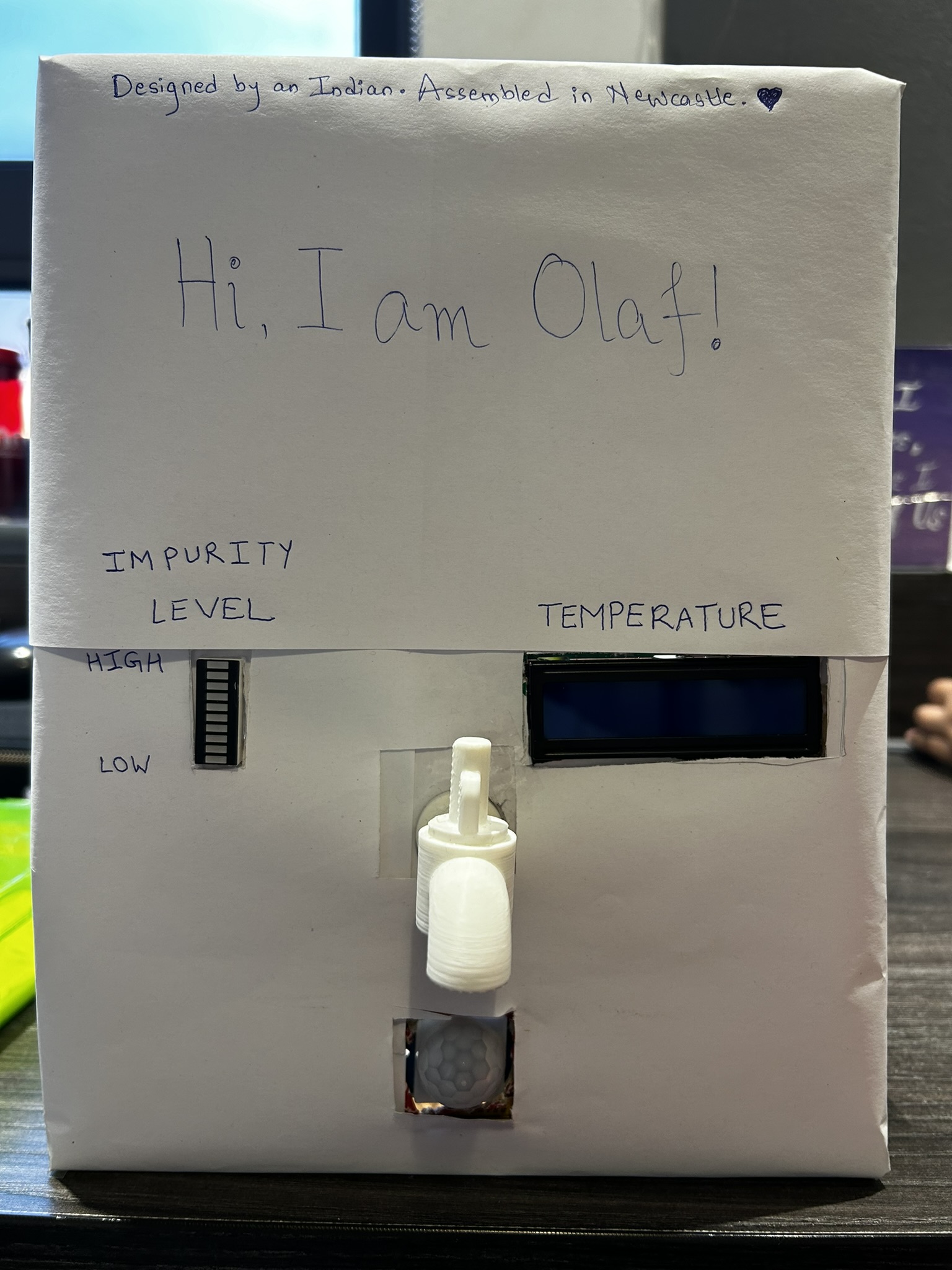
The concept behind the prototype involves creating a smart water tap capable of detecting when water is in use, thereby maintaining flow, and ceasing flow when it is not. Additionally, the tap displays the current water temperature, enabling users to use water at the desired temperature and minimise waste, and the LED bar graph indicates whether the water is pure or impure for use.
When someone walks up to the tap, a motion sensor detects them and water starts flowing; a motor brings water from the source, making it flow from the tap. When there's no movement, the sensor tells the motor to stop, and the water stops. At the same time, a special waterproof temperature sensor in the water measures how warm it is, helping people know if the water is the right temperature without wasting any. There's also a sensor that checks whether the water is clean, by measuring its acidity; this shows up on a simple LED bar graph as soon as water starts running, helping people decide if the water is safe to use. If the water is pure, the bar graph doesn't light up at all.
Panel 1 of 2
The Prototype
Exploring & Ideation
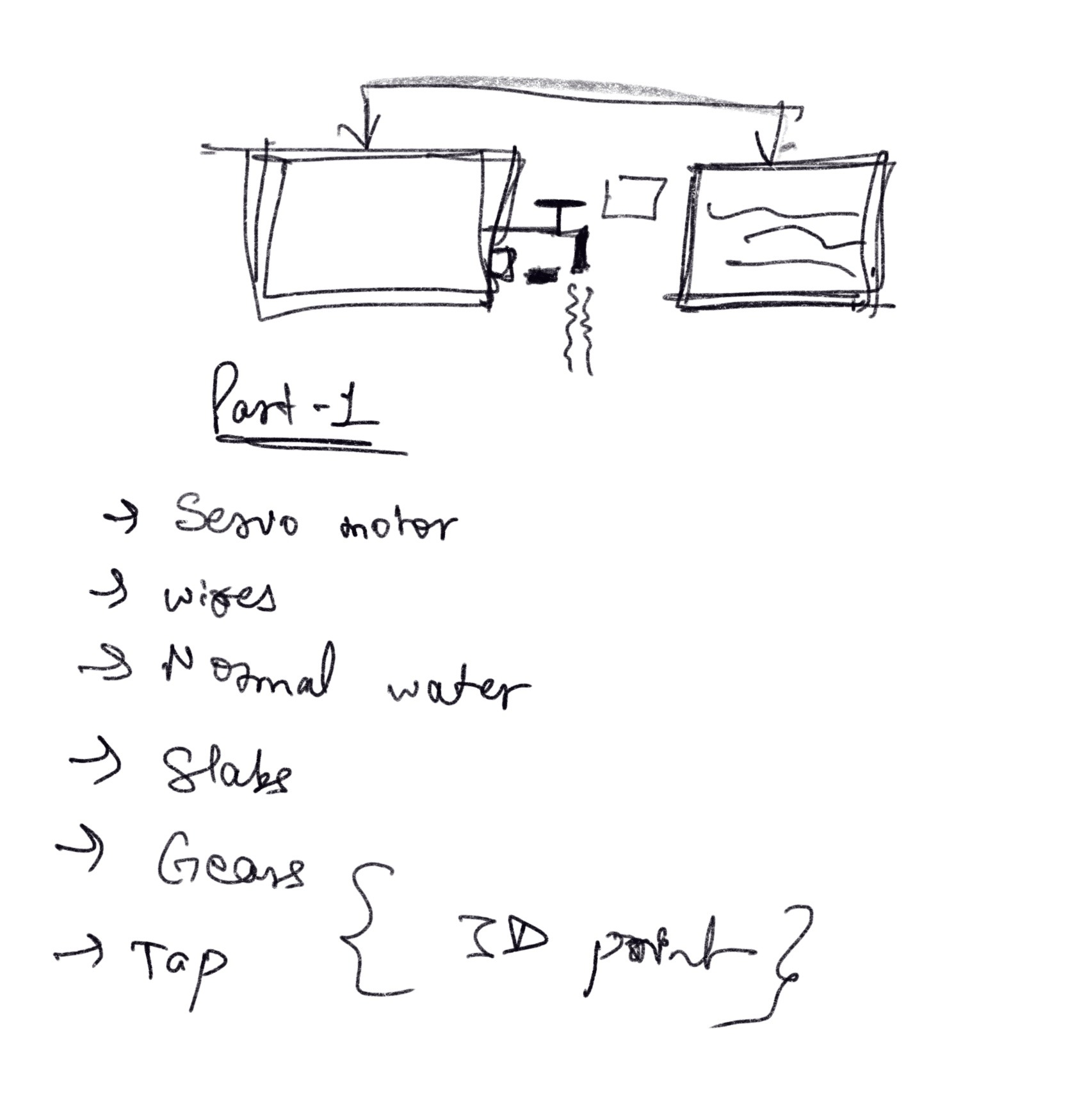
The original concept involved assembling a set of sensor components positioned around the tap, but it was too abstract and modular to be practically useful. An early idea used a slab of plastic controlled by a servo motor to regulate water flow based on keypad input, where option 1 allowed water flow for 10 seconds, option 2 for 15, and option 3 for 20. This approach posed significant mechanical challenges, and from a user perspective the complexity of interaction to conserve water seemed discouraging. Because the system was modular, ensuring proper insulation of sensors and wiring near water sources was also crucial to mitigate safety risks.
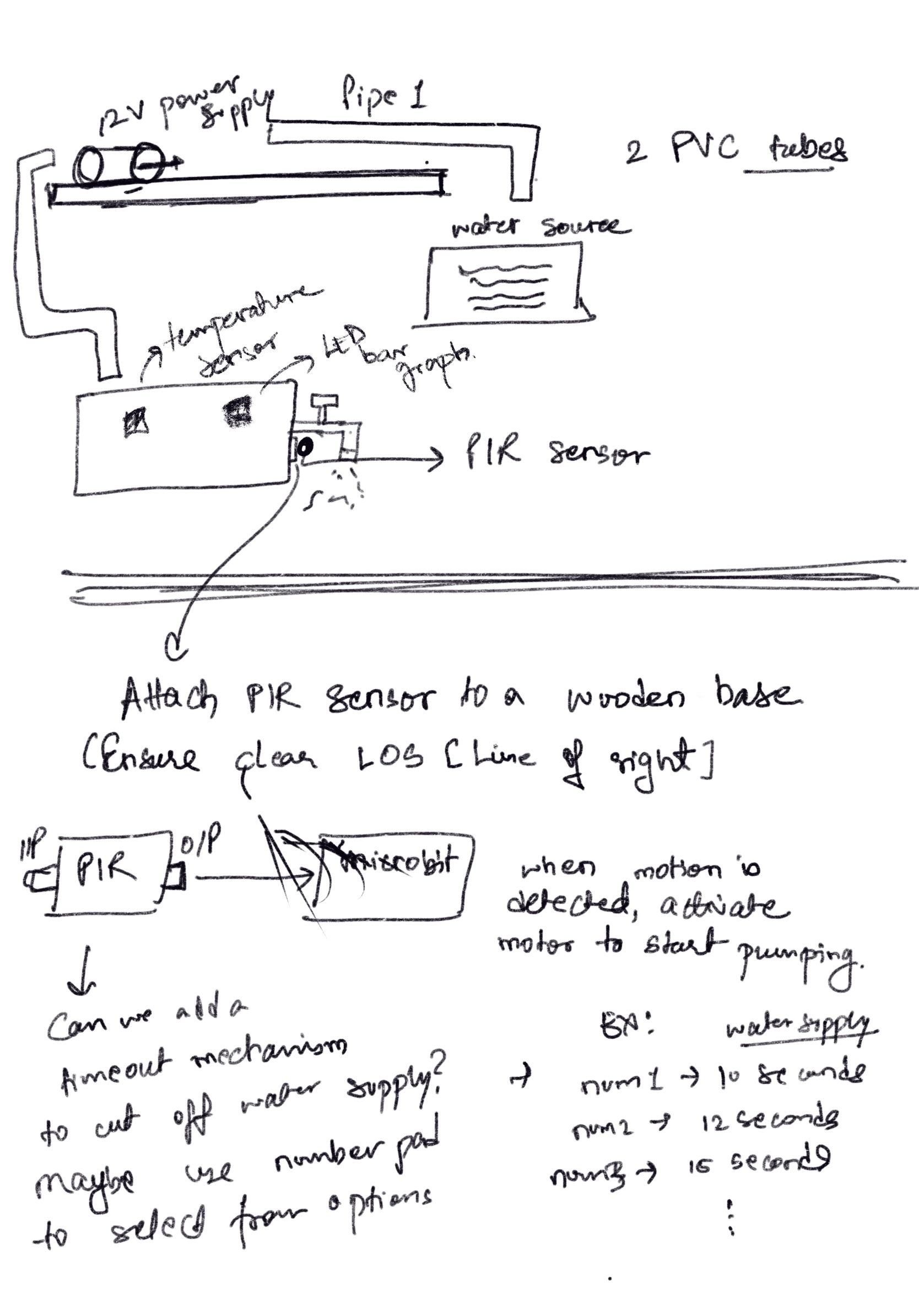
As I explored the sensors available in my kit further, I found a potential application for a PIR sensor, which piqued my interest. Following research and consultation with an IoT expert, I decided to use a PIR sensor to detect motion near the tap and regulate water flow, a solution that also facilitates connecting temperature and water-purity measurement seamlessly. After numerous feasibility checks and thoroughly testing each component individually, as well as assessing their intercommunication, I finalised the selection of these sensors and motors.
Components & Sensors
The prototype primarily comprises a PIR sensor to detect motion near the tap, a motor to draw water from the source, and an LED bar graph to indicate the level of water impurity if present. I used one container as the water source and another to house all the components and display essential information to the user. I obtained these containers from the makerspace, so the project didn't need MDF boards or a laser cutter.
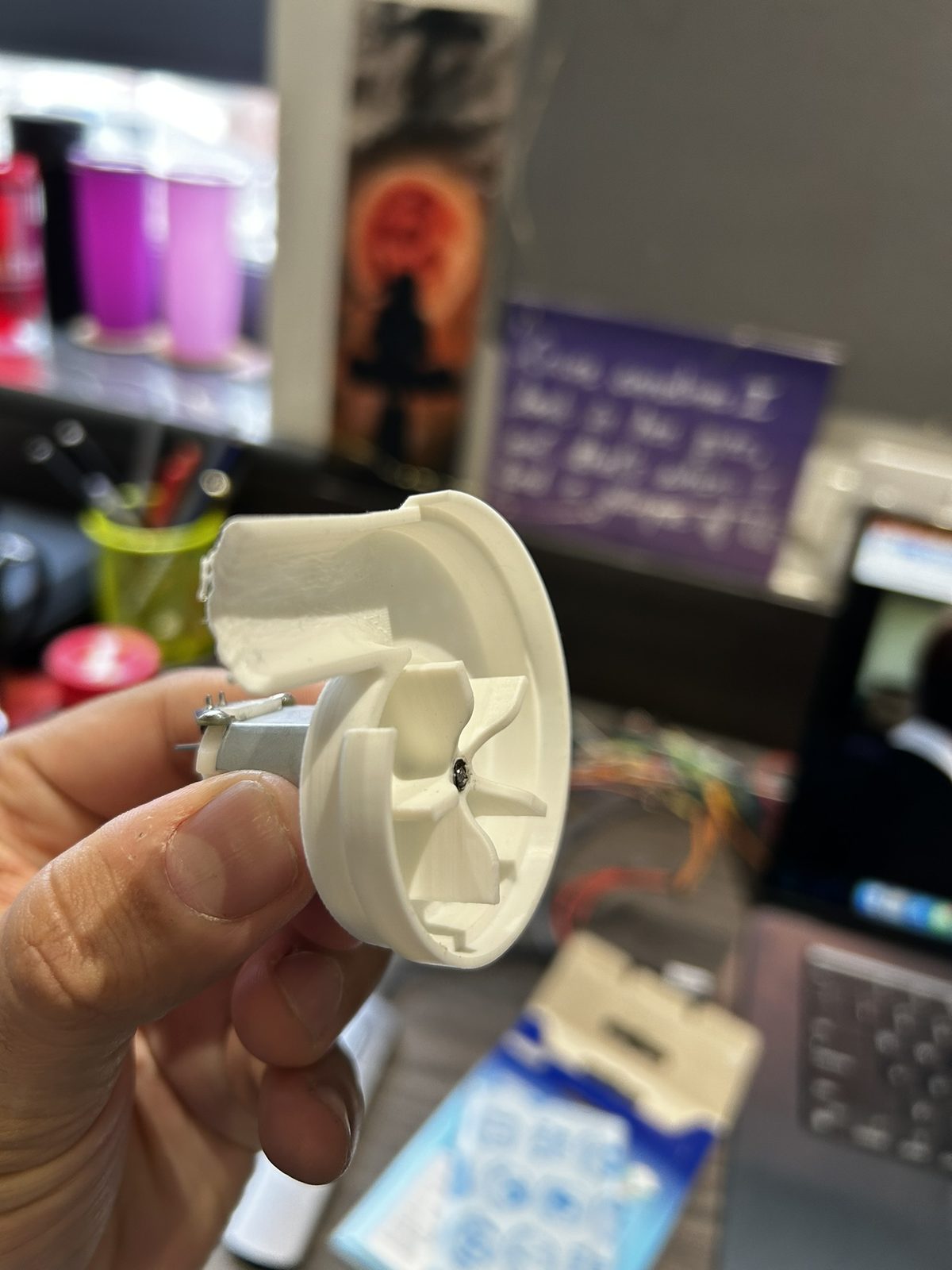
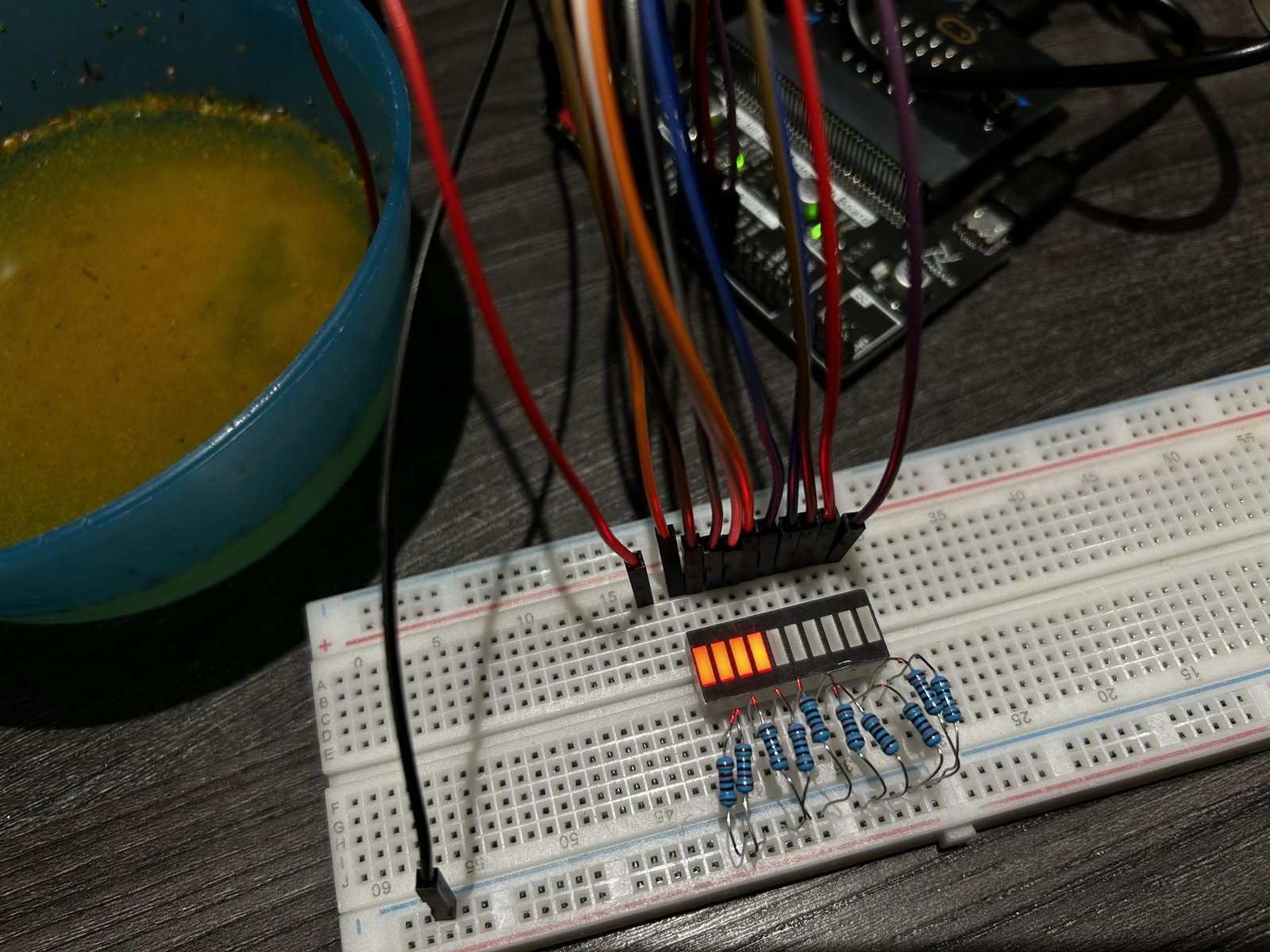
I used 3D printers to print a tap fitted into one of the containers as an outlet for water, and a turbine connected to the motor to push water to the tap. When the sensor activates the motor, the rotation of the motor's head spins the turbine, and one end of the pipe pulls water from the container while the motor pushes that water to the outlet. The LED bar graph shows the water's purity level: a pH sensor would measure purity in a production version, with the bar graph's levels rising if water is impure, defined against set pH ranges. A temperature sensor, submerged in the water, senses temperature and shows it on an LCD display.
Panel 1 of 4
3D Printers
The tap, turbine, and every connector between them are custom shapes with no off-the-shelf equivalent, so they were modelled and 3D printed rather than bought. Each part was sliced in Bambu Studio before printing, which lays out the model on the plate, adds any support material overhangs need, and estimates material use and print time before committing to a print.
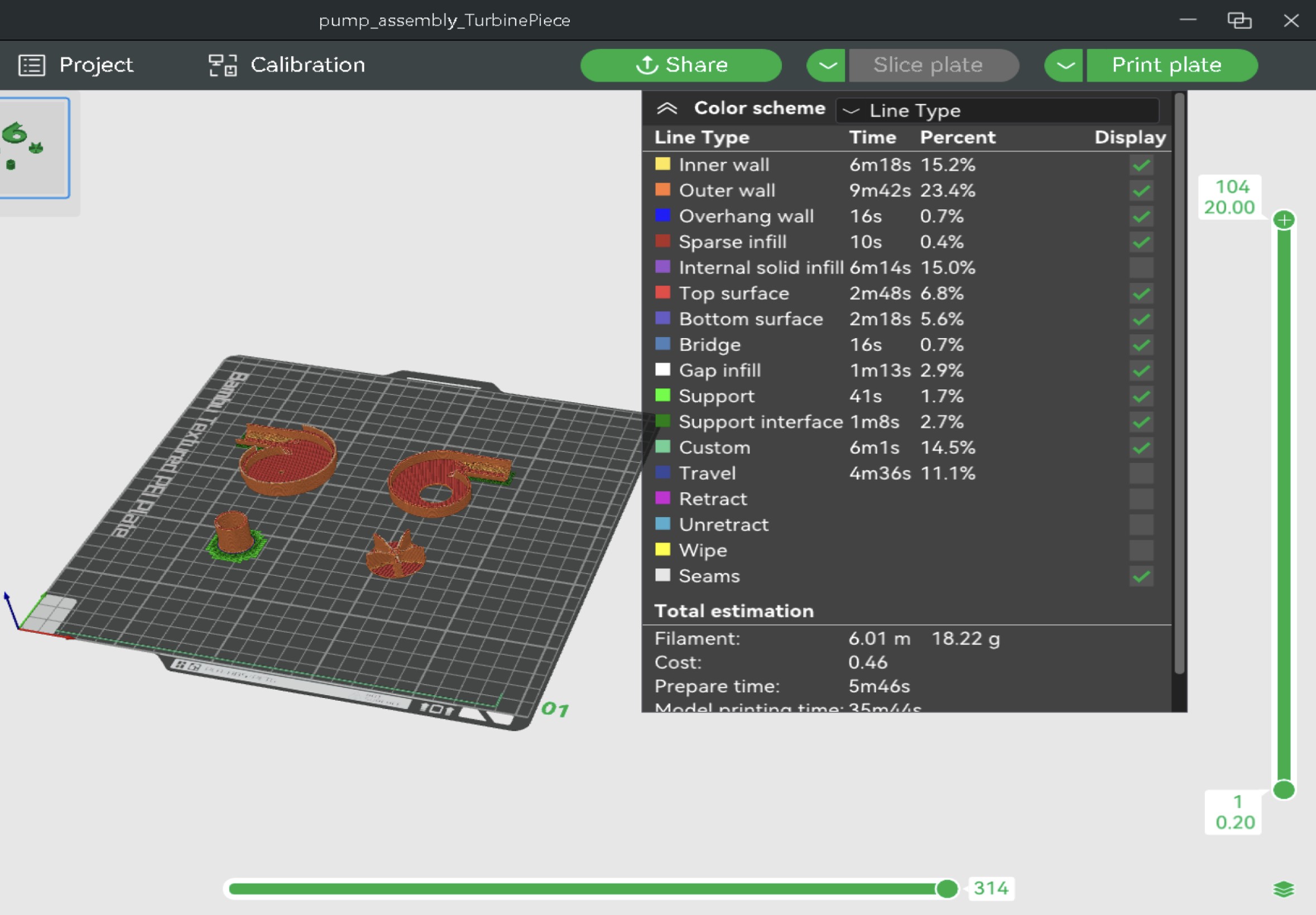
3D printing the casing and the turbine
The Workings
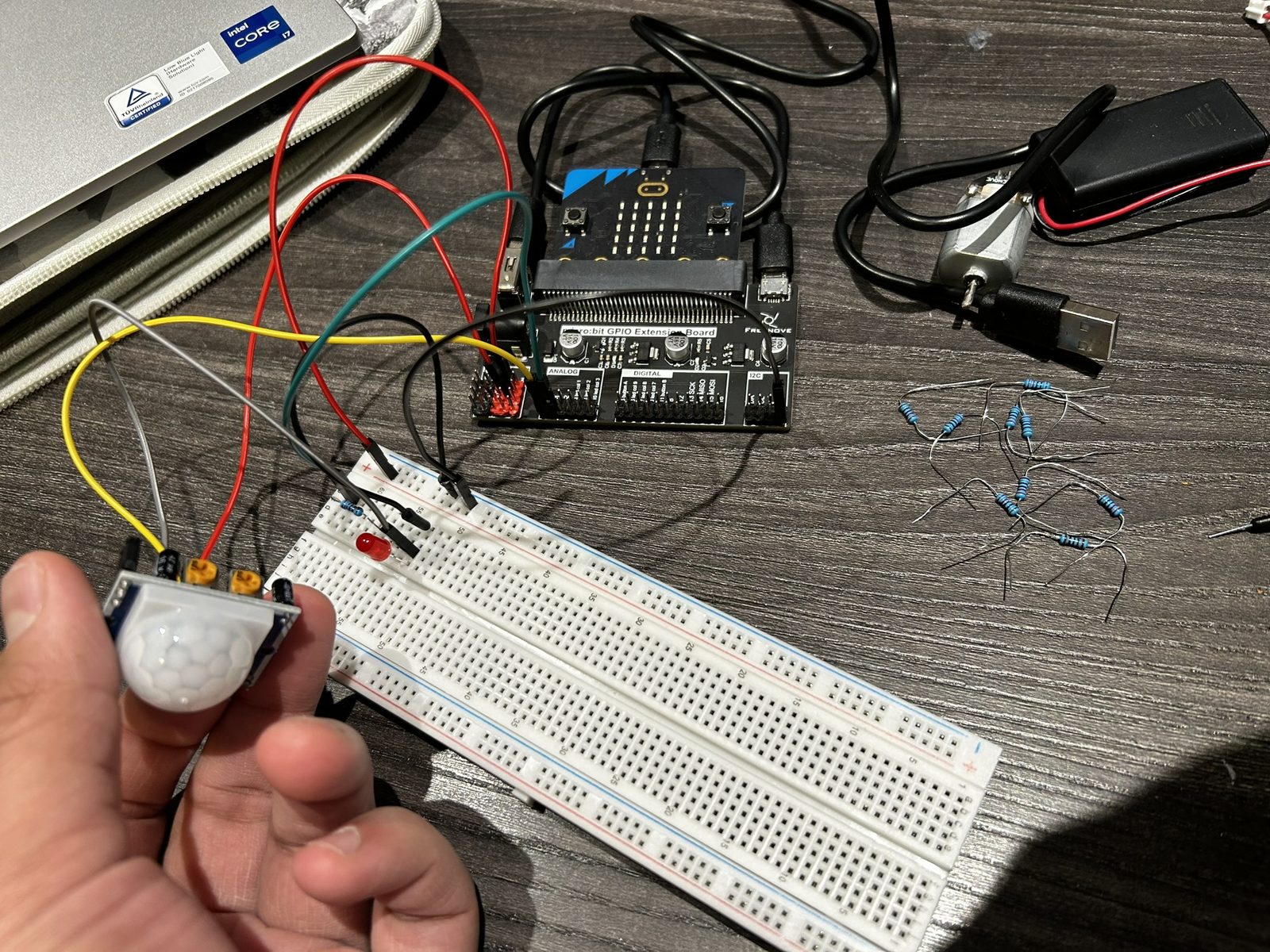
Connecting the PIR sensor
Together, these steps build one working loop. The PIR sensor watches for someone approaching and switches the motor on, which spins the turbine and draws water from the source into the tap. As it flows, the temperature sensor reports its warmth on the LCD and the purity sensor lights up the LED bar graph to the right level, so both readings are visible the moment water starts moving. Step away and the PIR sensor lets the motor idle again. The whole cycle runs on its own, without the user needing to touch a knob or make a decision.
Challenges & Iteration
While the prototyping was functional, the design and setup presented significant challenges. The complexity of wires, sensors and motors made it difficult to fit the breadboard inside the container. One of the most daunting tasks was constructing a turbine and its casing. I initially attempted a small circular casing built from plastic pieces as blades, but this approach failed, and I ultimately opted to have it 3D printed instead. There were challenges I couldn't fully solve within the project's time constraints, including production issues making the LED purity indicator accessible, readable, and obvious to the user, since the sensor's wiring overlapped with other components on the breadboard.
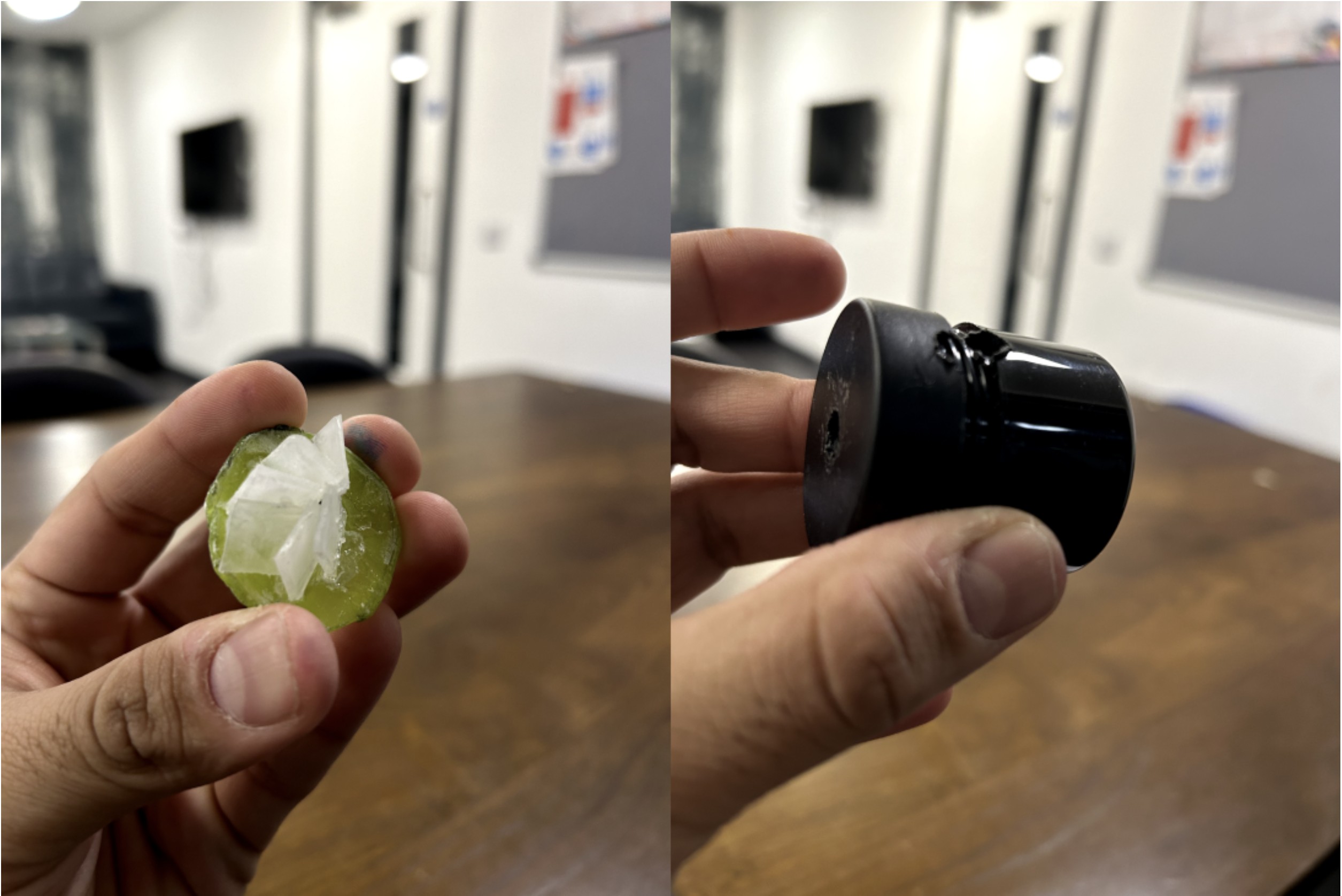
Old design (Poor selection of material)
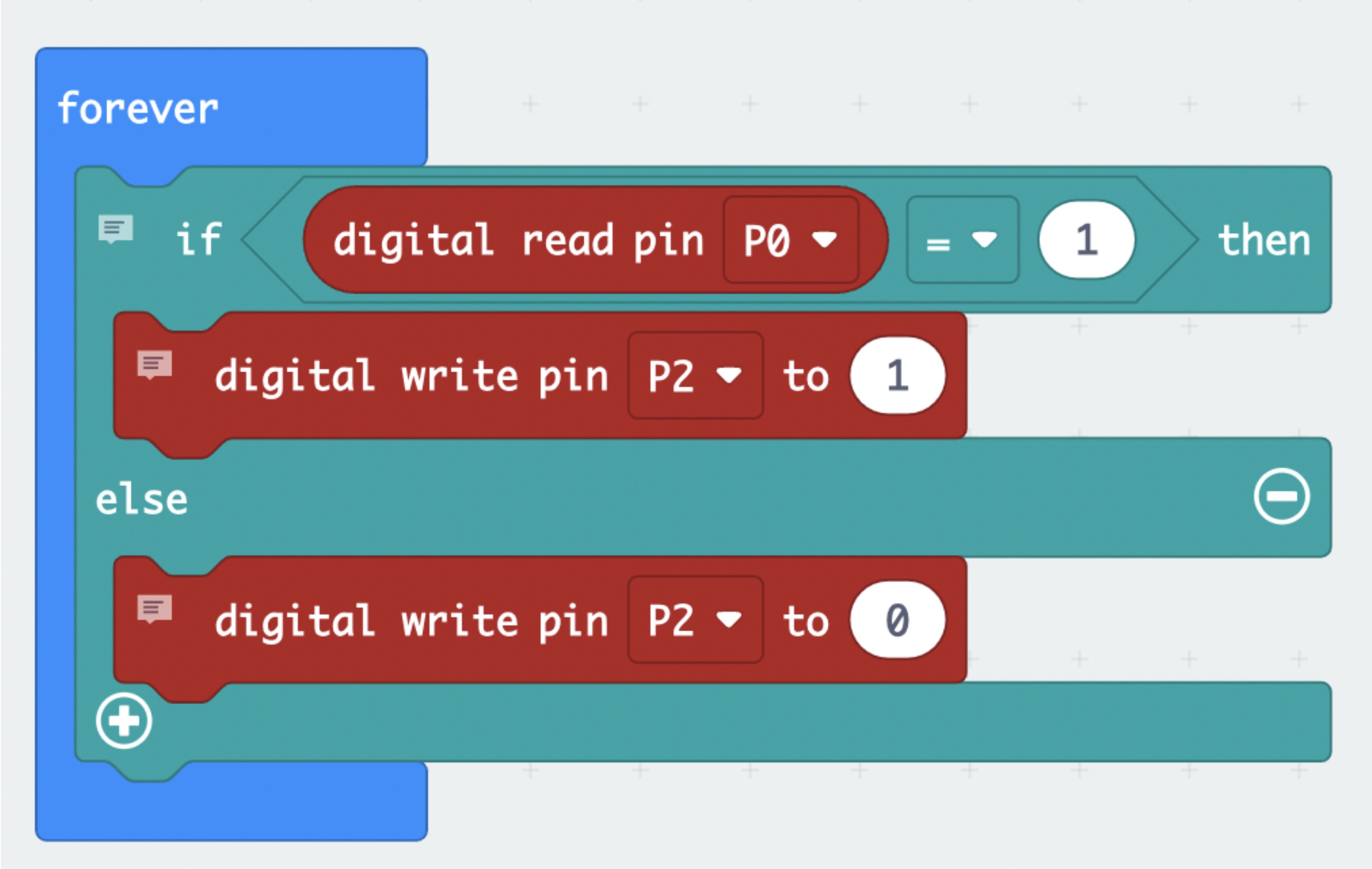
I used Micro:bit's code blocks to create the iterations, loops, and functions that ensured all components worked together seamlessly, especially using the PIR sensor to activate the motor that draws water.
Limitations & Solutions
The prototype had genuinely challenging bits to it. Because there were so many connections, the breadboard's structure got quite complex, and the connections were often loose, which meant the functionality wasn't always efficient. I tried to replicate how the design would actually look had the prototype gone into production; one potential approach might involve soldering the wiring directly onto the board to create a smoother surface, making it easier to attach to the container's surface.
In the absence of a pH sensor, I had to simulate how the system would function. Typically, a pH sensor would be integrated into the water source, providing real-time data to the display. However, to demonstrate the concept, I connected wires to each range section of pH paper submerged in water. Depending on predetermined water-purity ranges, LED bars on a graph illuminate, with fewer bars indicating higher water quality. As the water is acidic, the litmus paper turns pink/purple, indicating the water is impure.
The material I used for the turbine wasn't quite appropriate, and I struggled to design one from scratch. The overall product design was a little disorganised, and there's clear potential for improvement, including refining it to focus more on making human habits sustainable.
Conclusions
The journey of constructing this prototype was akin to riding a sin-cos wave, both frustratingly challenging and exhilarating. Despite the steep learning curve, delving into new concepts such as sensors, mechanical intricacies, and sustainable product prototyping was immensely enjoyable. This prototype holds promise for further exploration, and could be introduced to wider audiences. Exploring nuances like testing materials and iterating through multiple theories to determine feasibility was gratifying. Through prototyping, I've come to understand the importance of hands-on experimentation. Merely conceptualising ideas without actual implementation is restrictive and limiting.
I'd like to express my gratitude to Ben Morris for his consistent support throughout the duration of my module, and to Nick Taylor for suggesting alternative solutions to the challenges faced in this project and for helpful formative feedback that contributed to refining my prototyping process. I'd also like to thank my interviewees for providing valuable insights, and the experts from the IoT space with whom I had conversations to help with my doubts.
- D. L. Alles. 2005. Freshwater Shortage and Desertification. Western Washington University, USA.
- R. K. Mishra. 2023. Fresh water availability and its global challenge. British Journal of Multidisciplinary and Advanced Studies 4, 3 (2023), 1–78.
- B. I. Onyia, I. Ofili, H. I. Edeh, and C. B. Ugwuodo. 2016. Desalination of Impure Water. International Journal of Advanced Engineering Research and Science 3, 10 (2016), 236864.